
Area Bahá’ís elect delegate to national convention
by Maria Veach, Albany Oregon
Bahá’ís from Unit 130, representing Linn, Benton, Lane, and Deschutes counties, gathered in Albany on Sunday, Oct. 4, 2026, to consult on the progress of local Bahá’í communities and elect a delegate to the National Bahá’í Convention. The gathering was one of 171 unit conventions held throughout the U.S. that weekend.
Bahá’í elections are conducted without nominations, campaigning, or debate. Instead, voters prayerfully reflect on whom to elect and cast secret ballots. While the consultation was lively, the room was hushed during voting. Bahá’ís age 18 and older who could not attend in person could vote by absentee ballot, either by mail or through a secure online voting system.
Before the convention concluded, tellers announced that Dr. Vipul Lakhani of Eugene was elected to represent Unit 130 at the National Bahá’í Convention in April 2027. Delegates from across the country will gather to consult on the progress of the national Bahá’í community and elect the nine-member National Spiritual Assembly, which guides and coordinates the activities of the Bahá’í community throughout the United States.
“Serving as delegate to the Baha’i National Convention is a sacred trust,” Lakhani said. “It’s an opportunity to prayerfully consult with fellow delegates, contribute to the advancement of the plans for the development of Bahá’í communities, and elect our National Spiritual Assembly.”
A nonpartisan, spiritual election
The Bahá’í election process is intentionally nonpolitical. There are no candidates, platforms, or endorsements. Community members are encouraged to approach voting in a spirit of devotion, seeking divine guidance and considering qualities such as integrity, loyalty, experience and a “well-trained mind.”
Bahá’í writings emphasize that voters should be free from outside influence, including pressure from institutions or individuals. Shoghi Effendi, the Guardian of the Bahá’í Faith, described voting as a “sacred function” requiring detachment, independence, and purity of motive.
Elections that build unity
Bahá’ís view their administrative order as a model for nonpolitical, consultative governance. Elections are intended to foster unity and collective service rather than competition.
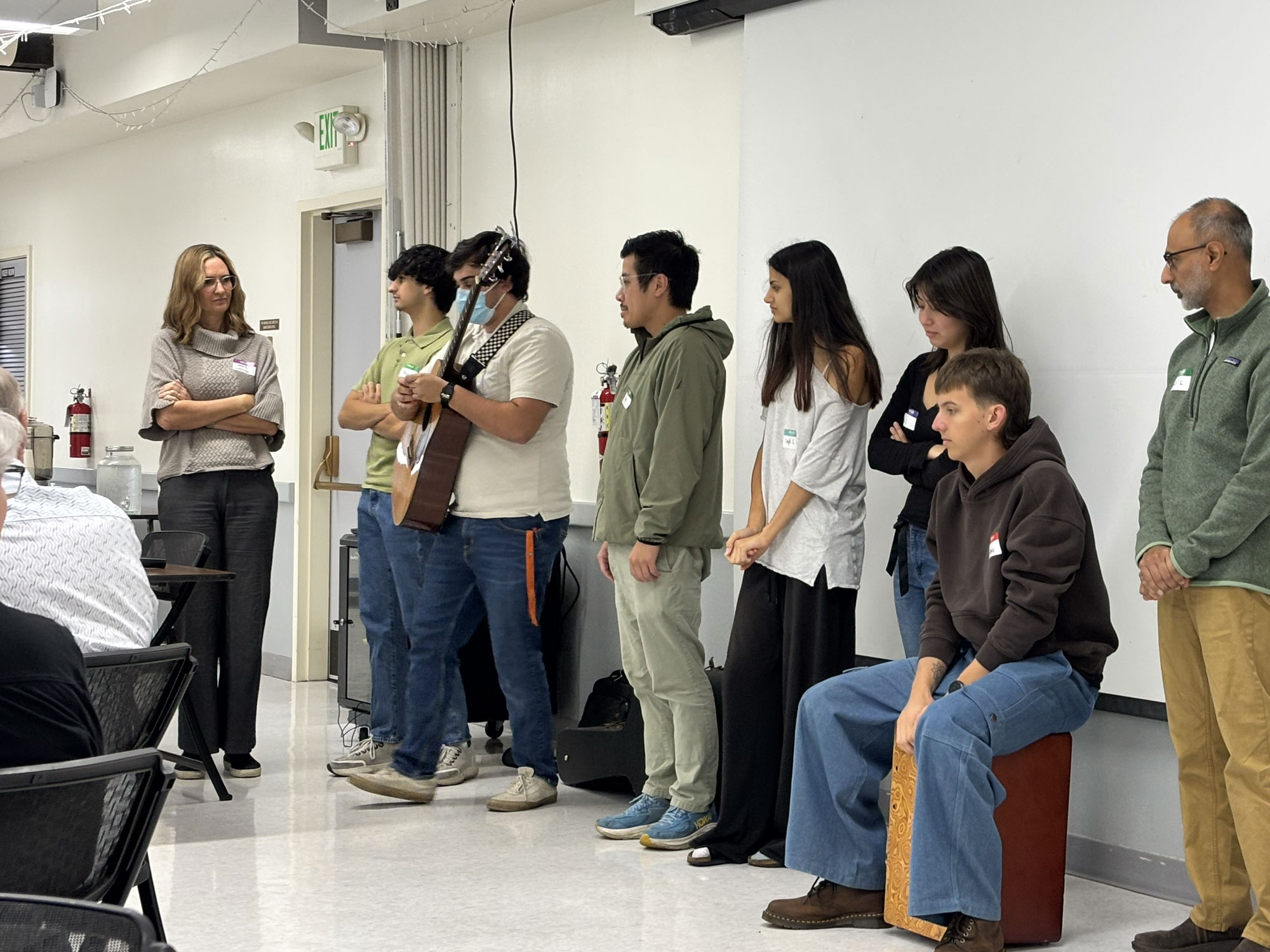
Participants sing during the opening devotional program at the Unit 130 Convention in Albany, Oregon.
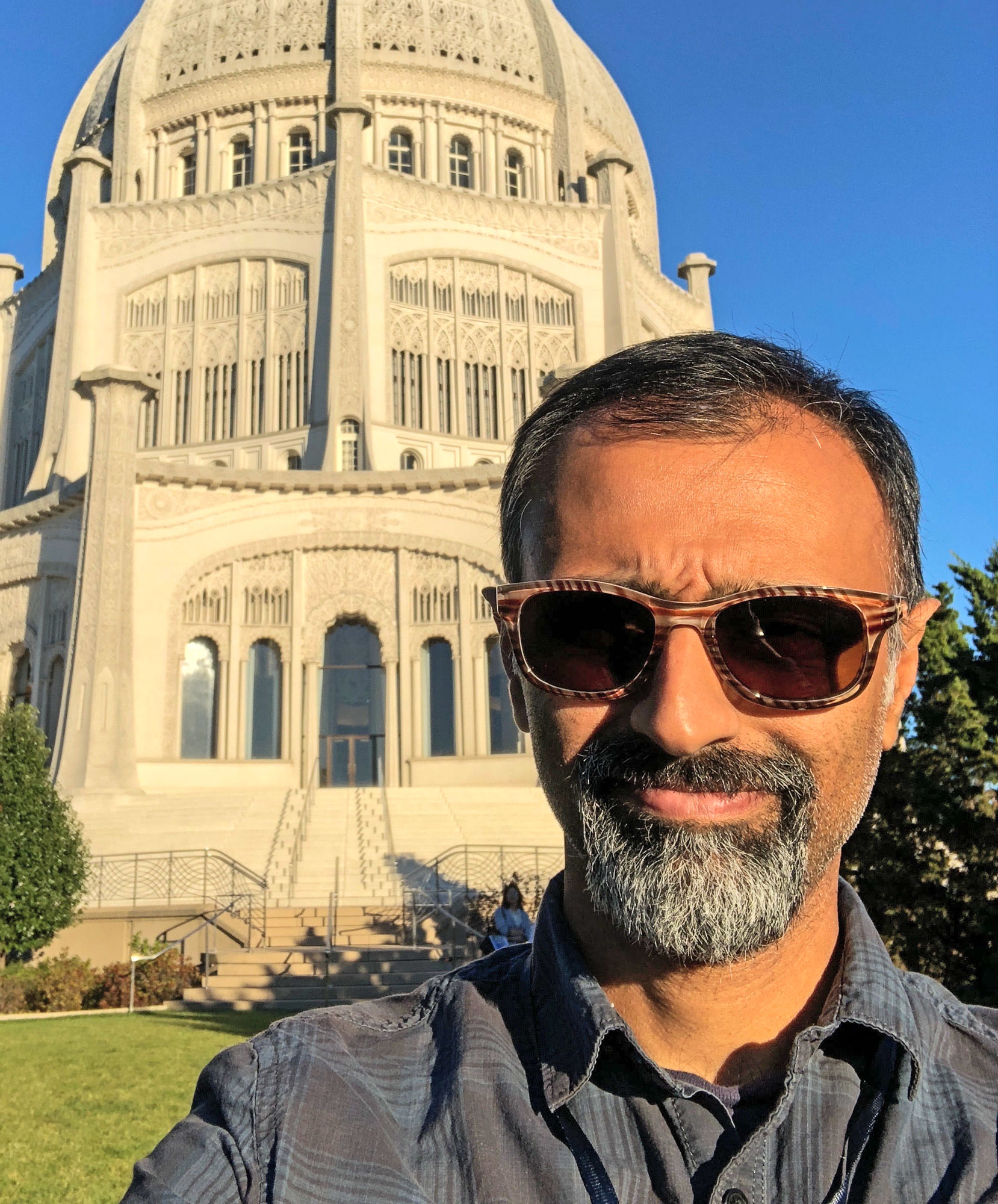
Vipul Lakhani in front of the Bahá’í House of Worship in Wilmette, Illinois, during a recent visit.