
Eugene-Springfield Bahá’ís and friends celebrate Naw-Rúz
by Marcia Veach, Eugene, Oregon
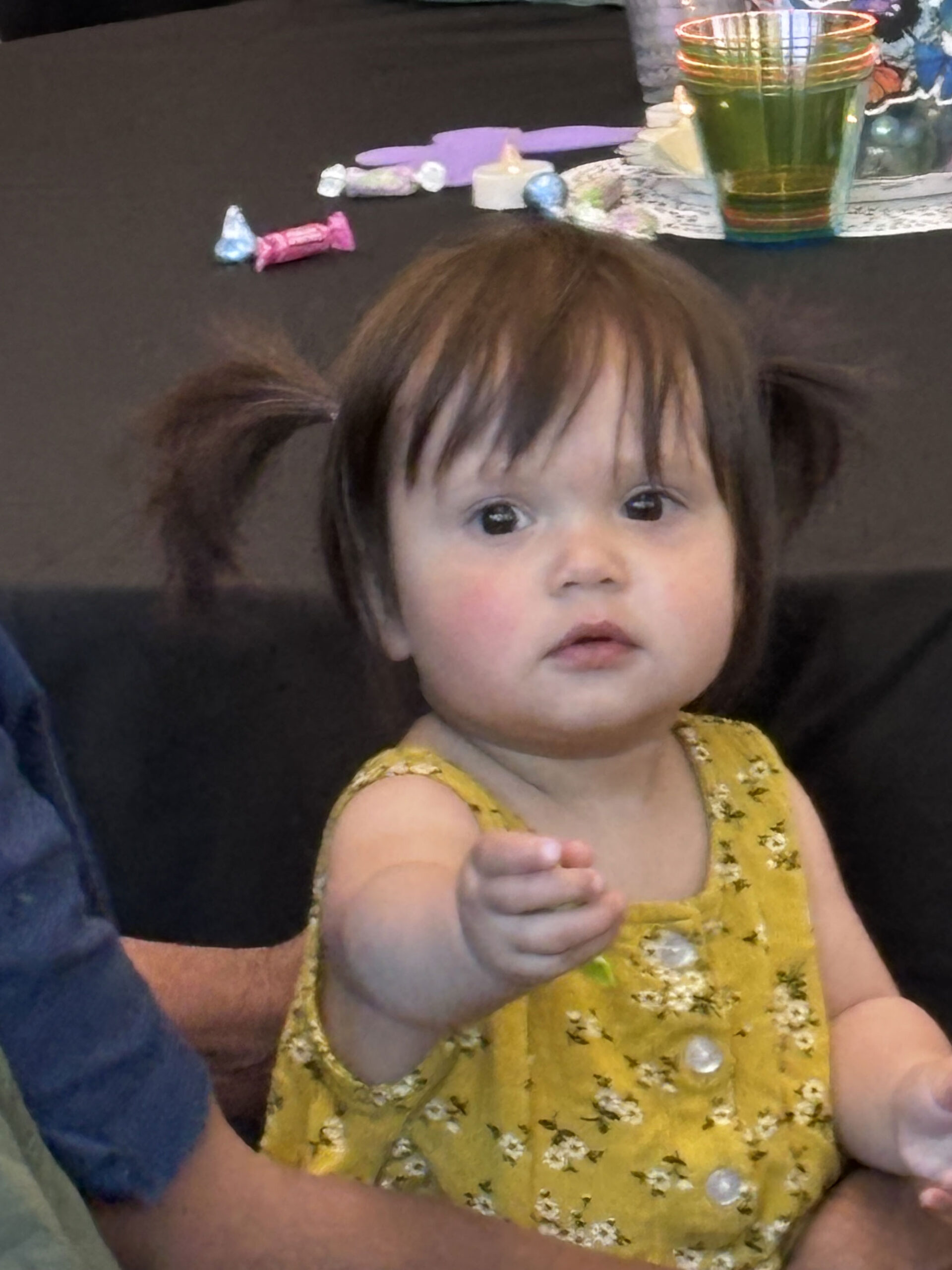
More than 100 people, from 6-month-old babies to lively elders over 80, gathered at the Campbell Community Center in Eugene on Saturday, March 21, to celebrate Naw-Rúz (nawh-ROOz), observed by Bahá’ís as their New Year. Prayers and a potluck were followed by the inaugural performance of the Friends of God Gospel Choir. Dancing, along with fellowship, rounded out this joyful welcome of the new year, which coincides with the first day of spring in the Northern Hemisphere.
Inside the celebration
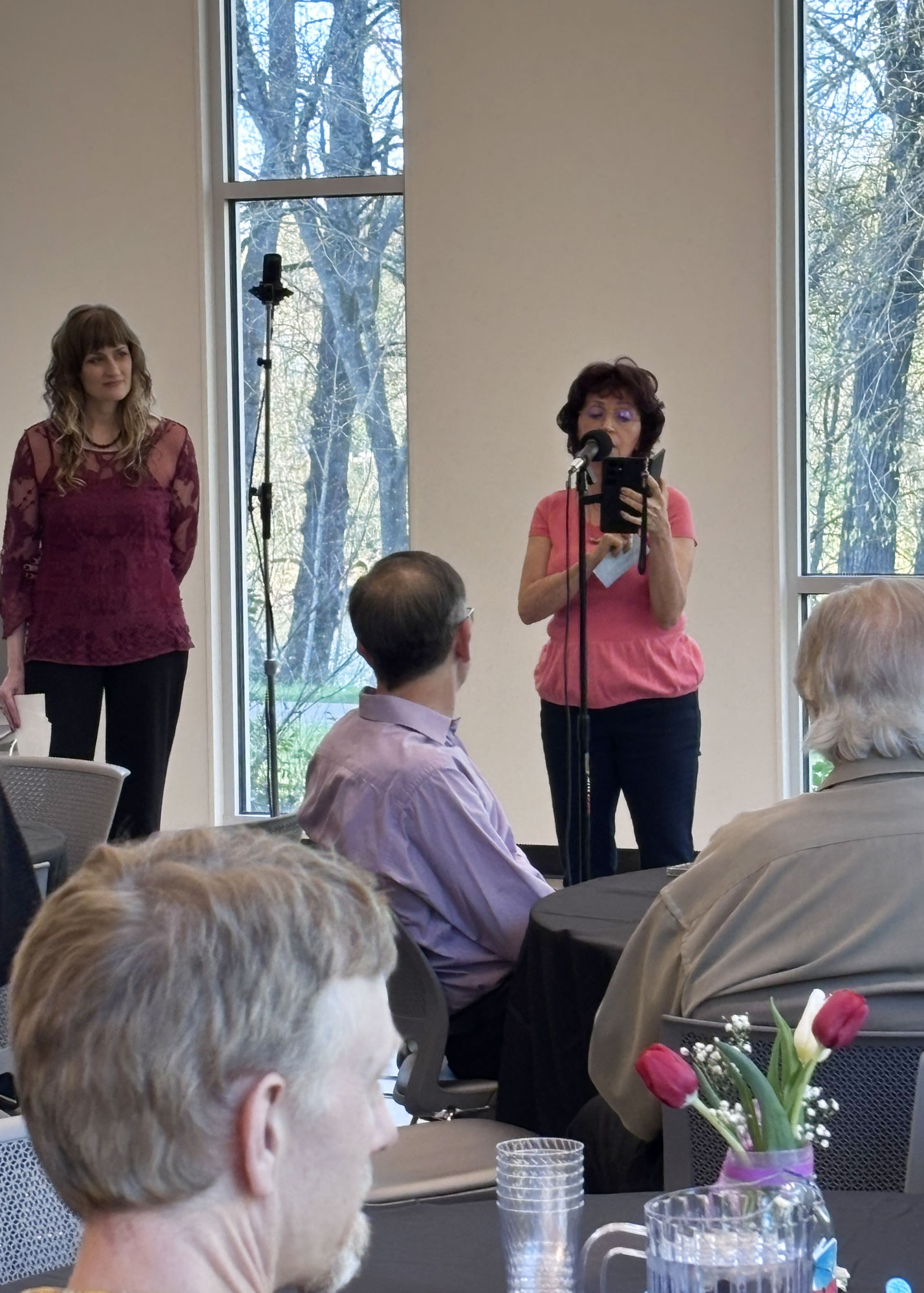
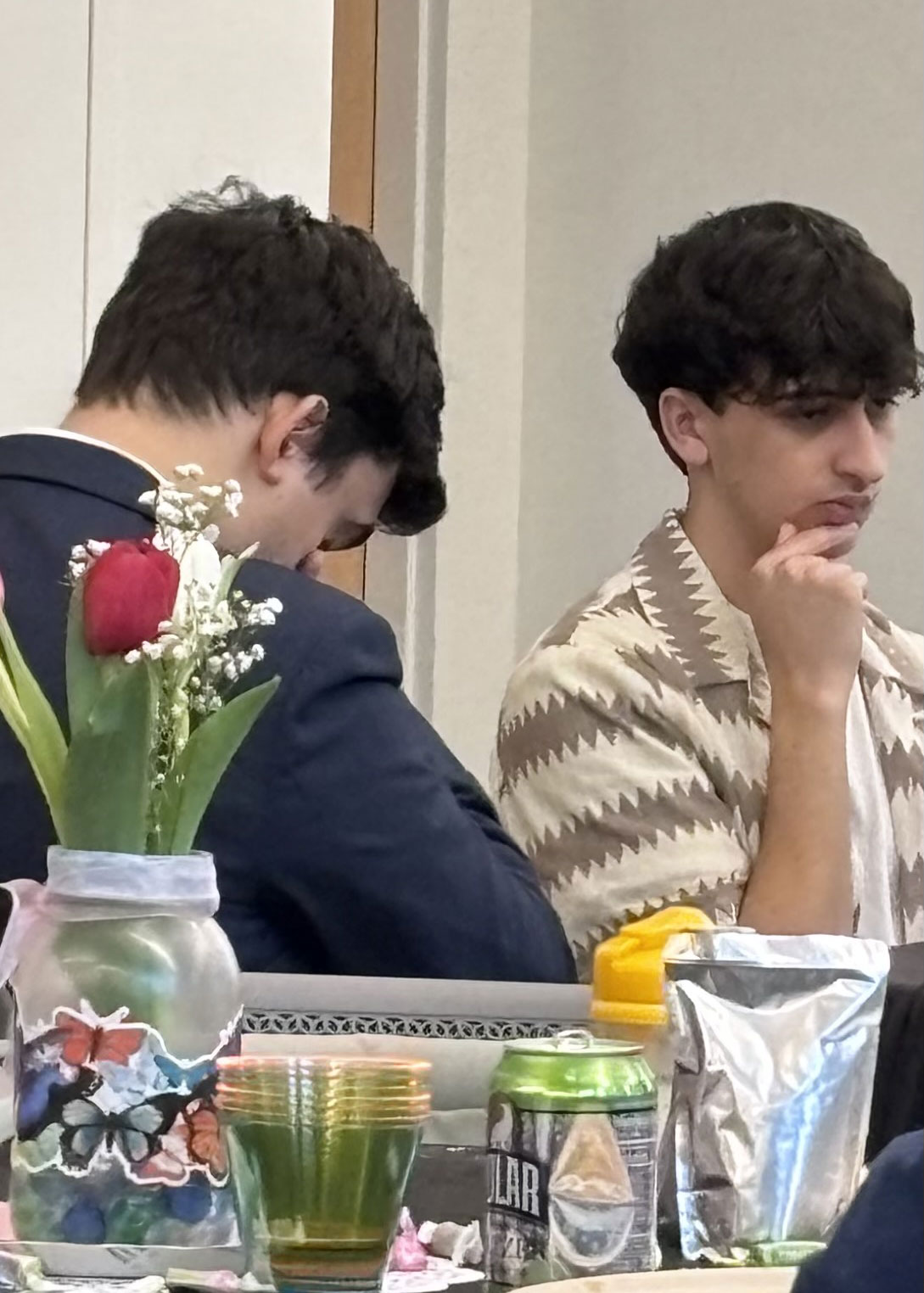
The event took place in a large, light-filled room with tall windows looking out onto the Campbell Center lawn and gardens along the Willamette River. Round tables filled the space, each set with tulips and treats. Families, friends and guests sat together, talking and laughing.
In the hallway, a display table showed traditional Naw-Rúz items. Nearby, long tables held a wide mix of potluck dishes. Community members brought food from many cultures, including Persian dishes, vegan meals, American casseroles, fresh fruit and desserts. Persian tea was served from a samovar.
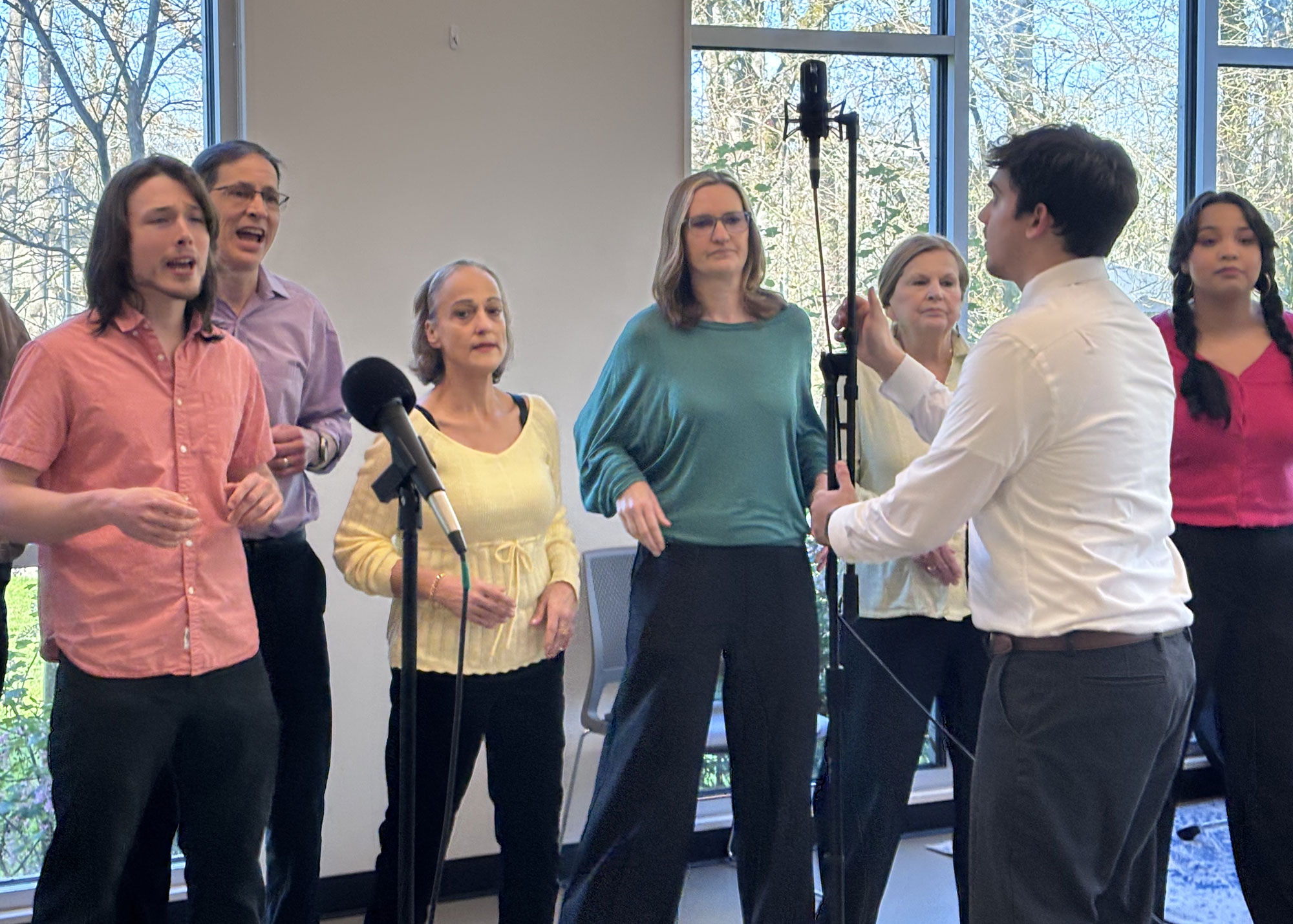
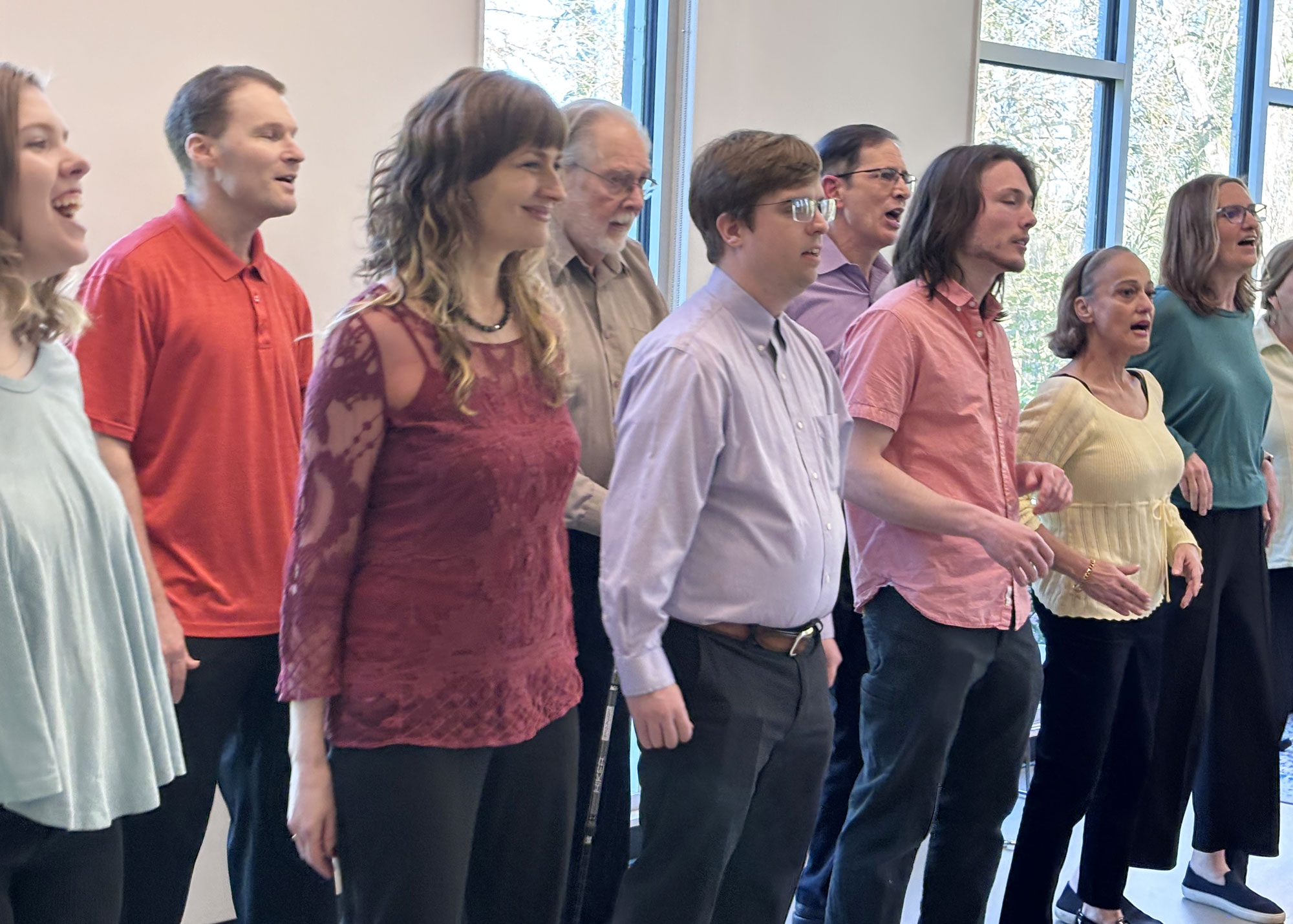
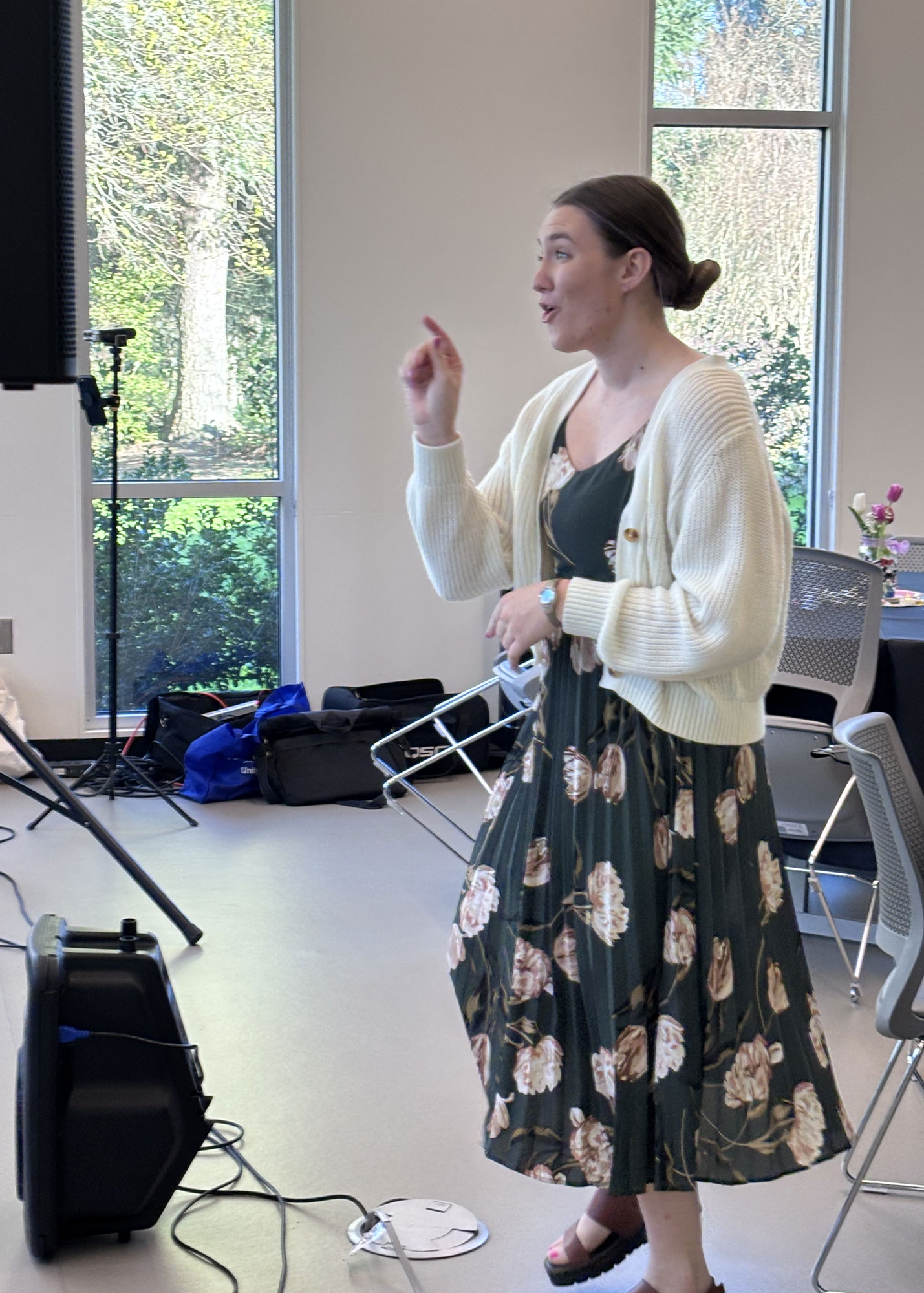
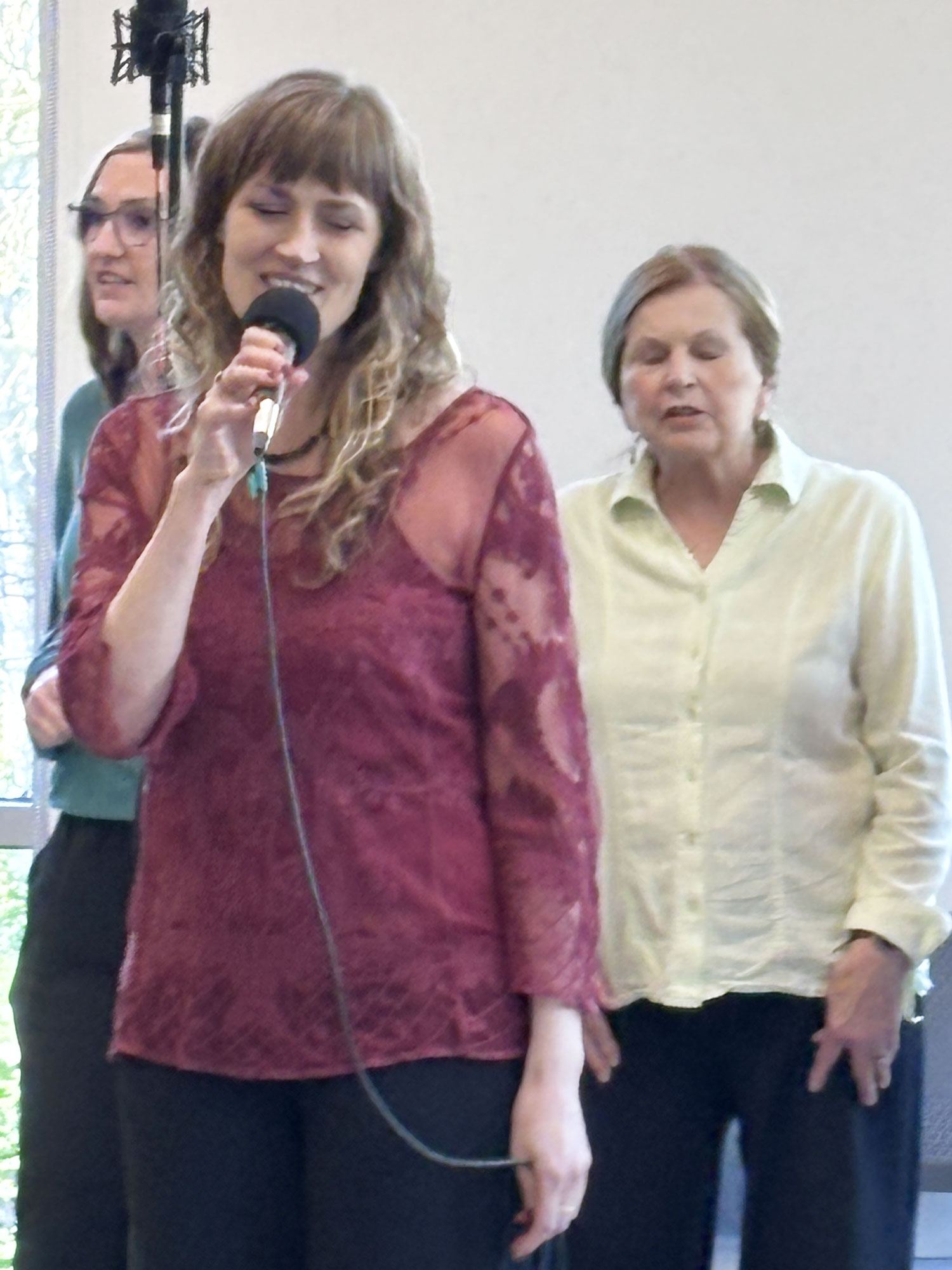
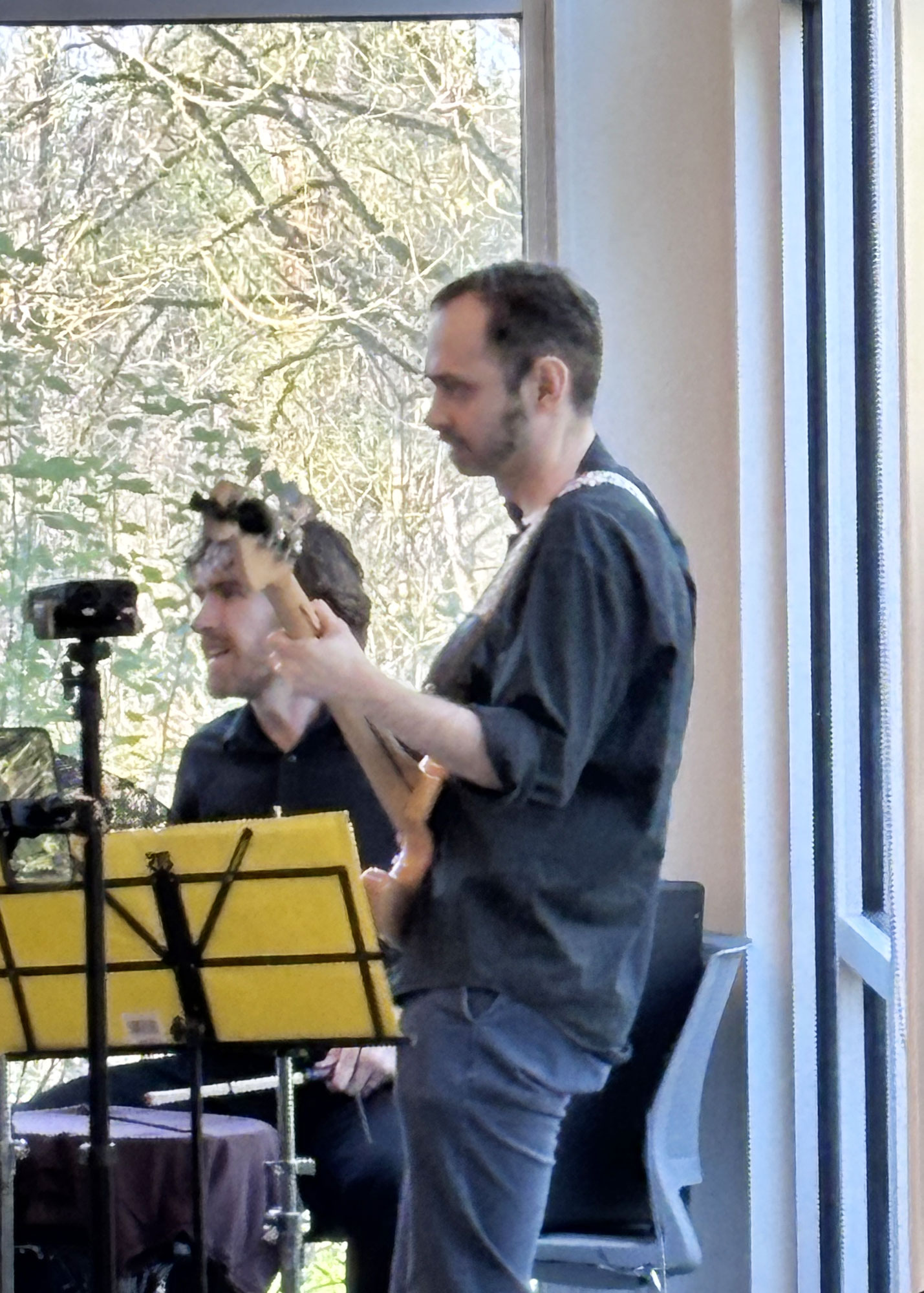
The program began with an introduction to Naw-Rúz and its meaning. Guests were invited to eat first, followed by everyone else. After the meal, the Friends of God choir performed with a live band. The songs included Bahá’í gospel music, which uses the gospel style with Bahá’í verses, along with traditional Christian gospel songs.
As the evening continued, music played and people gathered to dance. Many joined in a circle, clapping and moving together, while children danced freely in the center. The gathering reflected a warm and diverse community.
The Friends of God choir at the Naw-Rúz celebration in Eugene.
“Open Thou the portals of hope, and from the bounties of heaven bestow upon them a share. Turn this gloomy night into day and cause the day of Naw-Rúz to become blessed.”
–‘Abdu’l-Bahá
What is Naw-Rúz?
Naw-Rúz, which means “new day” in Persian, signals the beginning of the Bahá’í calendar year and is celebrated by Bahá’í communities around the world. It follows a 19-day period of fasting, reflection and renewal, making the holiday both a spiritual and social turning point in the year.
Gatherings often include shared meals, music from different cultures, and time for reflection and conversation.
A unique calendar
The Bahá’í calendar, known as the Badíʻ calendar, was established by Bahá’u’lláh. It consists of 19 months of 19 days each, with days beginning at sunset. Naw-Rúz falls on the vernal equinox, when day and night are equal, symbolizing balance and new growth.
In Oregon, Naw-Rúz arrives as early blossoms appear and longer days begin to return. The season reflects the idea of renewal in both nature and human life.
A message of renewal
During the program, speakers shared that Naw-Rúz represents a spiritual springtime. Just as the sun brings life to the earth, divine teachers throughout history have brought new life to human hearts and minds.
Bahá’ís see this as a pattern over time. As each new day brings the light of the same sun, each new divine teacher brings renewed spiritual guidance suited to the time. Each has helped people grow in understanding and civilizations to move forward in new ways.
This idea is sometimes called progressive revelation. It teaches that spiritual truth is revealed over time through many teachers, each helping humanity grow and move toward greater unity.
A global celebration with local meaning
From Oregon to Ethiopia, from small towns to large cities, Bahá’ís observe Naw-Rúz as a time to strengthen relationships within the community and with neighbors, and to renew their commitment to building a more just and peaceful world.
Local celebrations reflect a wide range of cultures and backgrounds, bringing together people from across the Eugene-Springfield area.
Looking ahead
Anyone interested in learning more is welcome to attend future gatherings and other Bahá’í holy days throughout the year. Contact us for information.
“The earth is but one country, and mankind its citizens.”
–Bahá’u’lláh